
Last updated November 24, 2026
 Wrought iron
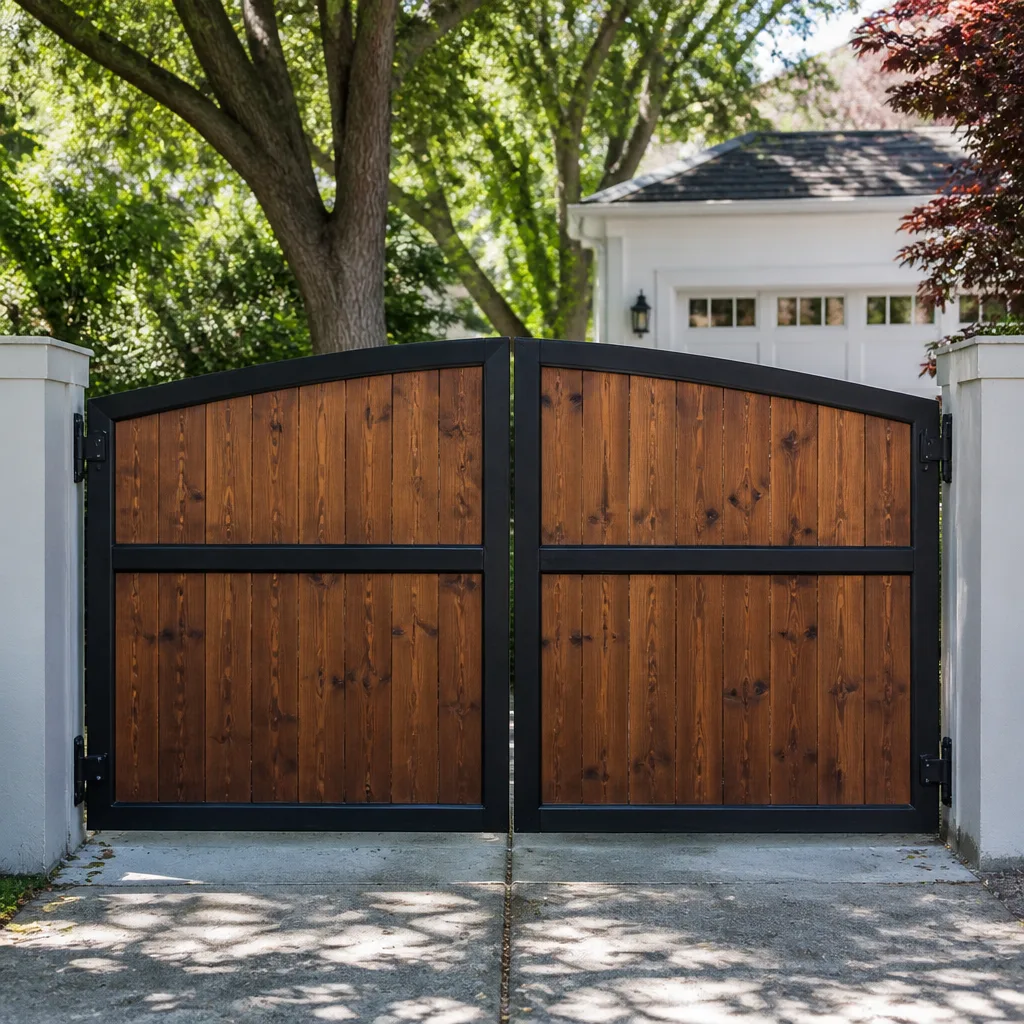 Wood & steel frame
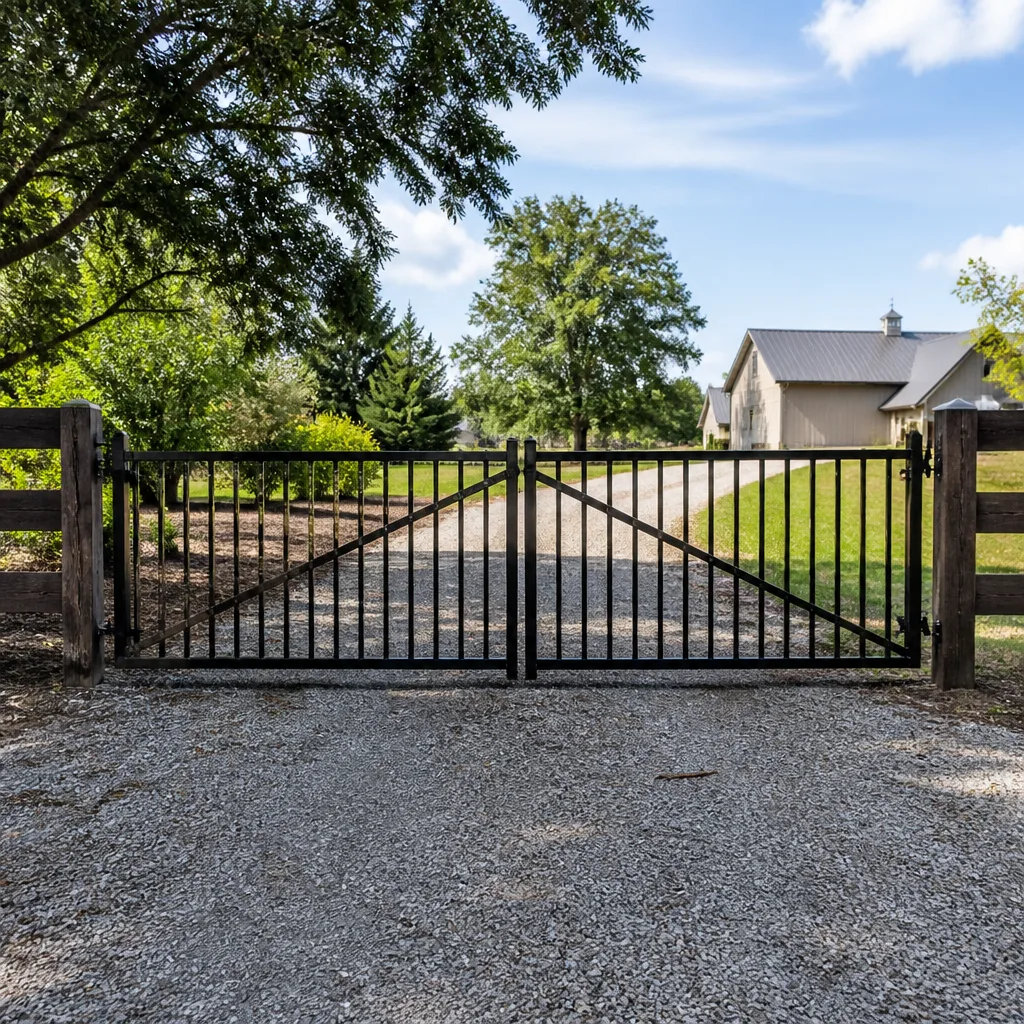 Farm & ranch
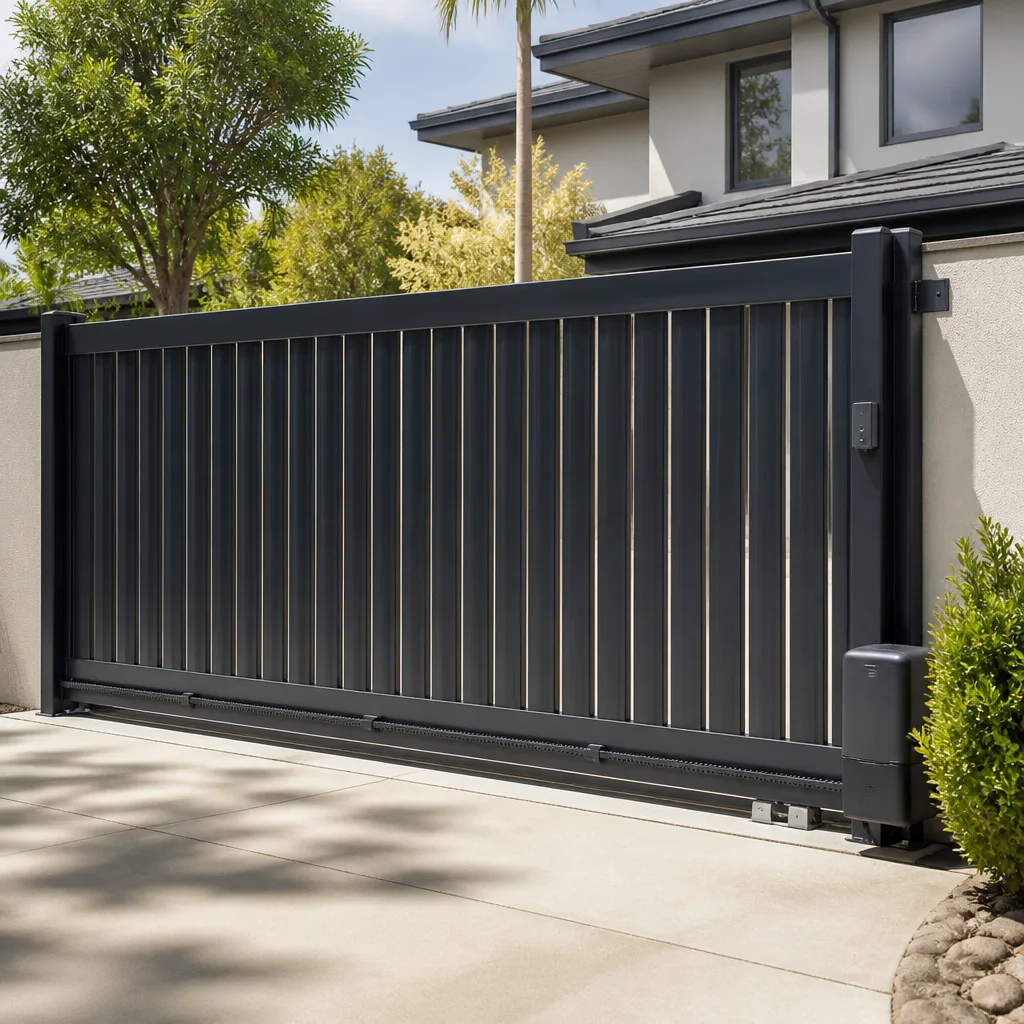 Sliding driveway gates
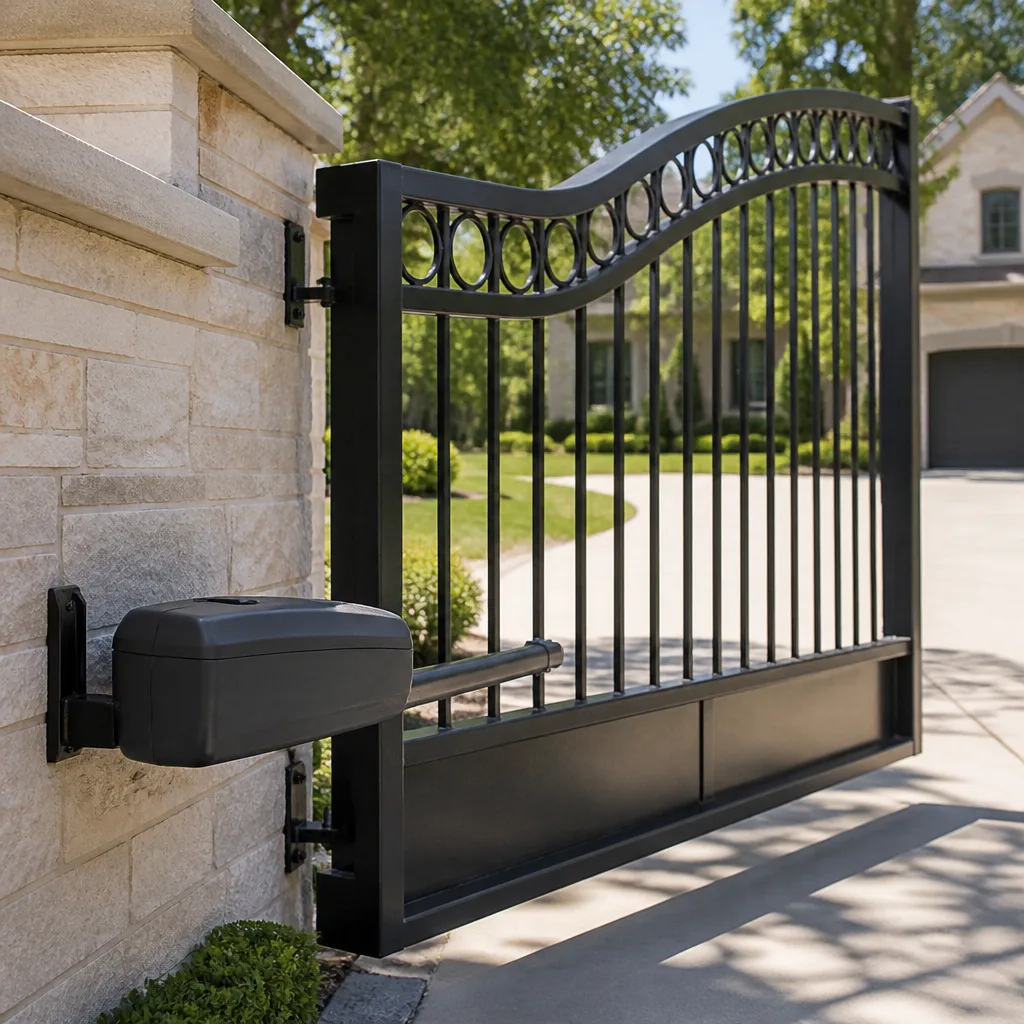 LiftMaster operators
Free on-site gate assessment - hinges, posts, and your LiftMaster or Nice gate operator checked before anything is quoted
The assessment is free and the quote is the invoice.
Get your free estimateGate Repair Maintenance Checklist for Centennial Hills Homeowners
Most gate maintenance checklists are written for somewhere else. They assume mild summers, steady humidity, and soil that drains. In Centennial Hills, none of that holds. Grease oxidizes faster when the afternoon reads 110°F, which means an “annual lubrication” note borrowed from a coastal guide can leave your gate running dry for half the year. Dust storms deposit grit where the rollers travel. Rain, when it comes, arrives hard and fast and runs off ground that barely absorbs it. This guide is a maintenance checklist built around those conditions, task by task, for Centennial Hills homeowners who’d rather fix small things on a schedule than schedule an emergency repair.
Quick Answer
A working gate maintenance checklist in Centennial Hills means lubricating swing and slide hardware every three to four months instead of annually, clearing dust and grit after every major wind event, testing the battery under load rather than at rest, and inspecting keypads, photo-eyes, and loop detectors on the same cadence. Do those four things and you’ll catch nearly every failure before it strands you. Skip them and the desert will find the weak point for you.
Styles & brands we work with
- Wrought iron
- Wood & steel frame
- Farm & ranch
- Sliding driveway gates
- LiftMaster operators
Table of Contents
- Why a Desert Climate Rewrites the Rulebook
- Quarterly Checklist and Environmental Triggers
- Swing-Arm vs. Slide: They Don’t Share a Checklist
- Testing Your Battery Backup Properly
- Access Control and Loop Detector Inspection
- Reading the Red/Yellow/Green Status System
- The Annual Deep Check
- Common Mistakes to Avoid
- When to Call a Professional
Why a Desert Climate Rewrites the Rulebook
Gate manufacturers build maintenance intervals around average conditions. Centennial Hills is not average. Summer heat accelerates the breakdown of lubricants and the stiffening of rubber seals. Low humidity dries out plastic components and makes bushings brittle. Wind-driven dust acts like sandpaper on moving parts. And when rain finally does fall on hard desert ground, water sheets rather than soaks, so it can pool at the base of posts and around in-ground loop detectors in ways a Midwestern checklist never anticipates.
The practical takeaway is compression. Whatever interval a manual suggests, shift it earlier here. Where a generic guide says lubricate once a year, plan every three to four months. Where it says inspect after storms, inspect after dust events too, because grit gets into hinges and track channels far more often than water does. This isn’t about over-maintaining. It’s about matching the schedule to the actual wear rate we see on gates across Centennial Hills.
It also matters which brand sits on your property. A BFT operator and a Linear unit age differently, and their manuals carry different intervals. We work on both, plus Viking and Ghost Controls systems, so we can tailor the cadence to what you actually own rather than a generic number.
- Heat: Shortens grease life and stresses electronics in the control box.
- Dust: Accelerates wear on rollers, hinges, and track channels.
- Dry air: Makes rubber and plastic parts brittle sooner.
- Flash rain: Pools at posts and loop detectors on hard ground.
Quarterly Checklist and Environmental Triggers
Here’s the recurring checklist, numbered so you can work through it in order. This is what you or the person maintaining your gate should do roughly every three to four months, and again after any major environmental event.
- Lubricate hinge points and moving joints. Use a lithium-based or dry-film lubricant rated for high heat. Wipe the joint before applying so old grit doesn’t get trapped underneath.
- Clear dust from the track or hinge channel. A stiff brush or shop vacuum gets grit out before it grinds into rollers.
- Test the full open-and-close cycle three times. Listen for changes in pitch. Grinding, squealing, or hesitation all point to a specific component.
- Inspect gate hardware for loosening. Check bolts, brackets, and post anchors. Vibration loosens hardware over time.
- Wipe down the keypad and intercom surfaces. Dust and dry residue build up on the keys and cause premature wear on membrane buttons.
- Confirm the photo-eyes are aligned. Look for debris or shifted housings.
Then layer on the environmental triggers. After a major dust storm, add a full track clean and a quick visual on the rollers. After a hard rain event, check for ponding at the base of posts and around loop detectors, and confirm the gate doesn’t struggle at the transition from wet to dry ground.
Swing-Arm vs. Slide: They Don’t Share a Checklist
This is where most generic guides fall apart. Swing-arm and slide gates wear differently because they move differently, and their inspection points shouldn’t be the same. If your manual or a handyman is applying one checklist to both, some items are getting skipped.
Swing-Arm Wear Points
- Operator arm bushings: These carry the full torque of opening, and heat stiffens them fastest. Check for play and lubrication every quarter.
- Hinge bearings and hinges on the leaf: Dust gets into these more than any other spot on a swing gate.
- Post anchors: A swing leaf leans hard on its post during every cycle. Bolts loosen gently over months. Check torque quarterly.
- Arm mounting brackets: Watch for cracks around the weld or seams.
Slide Gate Wear Points
- Rollers: The rollers under a slide gate take the entire weight of the leaf. Inspect for flat spots and contamination.
- Track channel: The track on a slide gate collects grit in a way a swing gate never does. Clean after dust events.
- Cantilever and guide rollers: These keep the gate tracking true. Drift shows up as a wobble or a scrape before it becomes a jam.
- End stops and limit hardware: Loose stops mean the operator runs the gate into a hard stop, which damages the drive.
When we walk a Centennial Hills property, the first question we ask is which system is running the gate. A FAAC swing operator and a Viking slide operator get very different diagnostic attention. That’s why gate motor & opener work here usually starts with confirming the mechanism before anything else.
Testing Your Battery Backup Properly
Here’s a failure almost every homeowner misses: a battery that reads full voltage at rest can fail the moment it’s loaded. Voltage on a multimeter tells you the battery has charge in it. It doesn’t tell you the battery can deliver current when the operator calls for it. In the desert heat, backup batteries degrade faster than their rated life suggests, and a resting voltage test can hide that completely.
Testing under load is the only method that tells the truth. Run it this way:
- Put the gate in a state where it would normally run.
- Disconnect the main AC power to the operator (your local pro can walk through exactly how to do this safely on your brand).
- Trigger a full open-and-close cycle on battery alone.
- Watch the gate through the whole cycle. If it moves slowly, stalls, or the operator throws a low-battery warning, the battery is on its way out.
- Reconnect power and confirm the operator returns to normal charging.
Do this every six months. If you have a Ghost Controls or Linear system with a battery backup, don’t skip it just because the lights come on. The lights are drawing almost nothing. The gate motor is the real test.
We also want to flag the safety side. Backup batteries live inside high-current electronics, and the wiring running from them to the operator is not the place to learn on the fly. If you’re not sure how to safely disconnect power to your specific operator, hand that test to someone who is. Everything else on this checklist you can do yourself.
Access Control and Loop Detector Inspection
The electronic side of your gate needs attention as often as the mechanical side. This is where a Centennial Hills driveway makes itself felt, because caliche-heavy soil doesn’t settle evenly, and the ground moves with heat cycles. Loop detectors installed in that ground drift. Keypads mounted at the pillar collect dust. Intercom wiring loosens at the terminals.
Keypad Corrosion and Wear
- Wipe the keypad face with a dry cloth every quarter. Avoid solvents.
- Press each key and check for a soft or stuck response.
- Check the seal around the housing for gaps where dust gets in.
- Confirm codes still work and the backlight comes on.
Photo-Eye Alignment Drift
The photo-eye safety pair on a swing or slide gate is one of the most common causes of “it stopped working.” Heat cycling shifts the housing a fraction of an inch. Dust coats the lens. Load-bearing posts move slightly in caliche. Any of these can trip the eye and stop the gate mid-cycle. Test by walking through the beam while the gate is closing and confirming it reverses. If it doesn’t, that’s a red item, not a yellow one.
Loop Detector Sensitivity
The buried loop that tells your gate “a car is here” can lose sensitivity if the surrounding ground shifts or the wire has a partial break. Symptoms: the gate doesn’t open for a car sitting on the loop, or opens slowly. Walking over the loop with a metal object is a crude test. If your gate is a DoorKing or BFT system with an integrated detector, sensitivity is usually adjustable from the control box. A technician can check it with the right meter.
Access control is where we see the widest variety of setups across Centennial Hills, from single-keypad homes to intercom-based entry systems. If you’re upgrading, gate installation that’s planned around your access control from the start saves a lot of retrofitting later.
Reading the Red/Yellow/Green Status System
Every checklist item on this guide can be graded, and grading it tells you what to monitor versus what to stop ignoring. Use three colors consistently.
Green means the item is functioning normally and needs routine attention at the next scheduled interval. No action beyond your normal checklist.
Yellow means you’ve spotted a symptom that could turn into a failure. A hinge that squeaks when it didn’t two months ago. A keypad button that feels soft. A roller with visible flat spots. A photo-eye that works but with visible dust on the lens. Yellow items get checked again at the next interval and added to the short list for your pro to review.
Red means stop and call. The gate closes on something and doesn’t reverse. A post moves when you push the gate. The operator hesitates, grinds, or throws an error. A backup battery fails the loaded test. A slide gate comes off the track. Red items are the ones that keep causing damage or become a safety problem the longer they sit.
The value of the color system is that it turns “the gate feels weird” into a specific report. When you call us, you’ll be able to say “yellow on the swing hinge bearing and red on the battery” and we’ll know exactly where to start, whether that’s a routine diagnostic or a fast gate repair visit.
The Annual Deep Check
Once a year, go deeper than the quarterly items. This is the layer of inspection that catches slow-wearing parts before they fail, and it’s the part worth having a technician look at if you’re not comfortable with electrical components or heavy moving hardware.
- Inspect all mechanical fasteners on the operator mount. Torque any that have loosened.
- Check the gate for sag or lean. A gate that sags 3/4 of an inch at the free end will strain the operator regardless of brand.
- Test the manual release. Every operator has a manual override for when power is out. Confirm it engages and disengages cleanly.
- Inspect the wiring at the control box. Look for rodent chew, sun-dried insulation, or loose terminals. Do not pull on wires to test them. Visual only unless you’re experienced with this work.
- Test every safety device. Photo-eyes, edge sensors, and any reverse-on-obstruction feature.
- Check access control recordings. If you have an intercom or call system, confirm the audio and the release function still work as expected.
The wiring and safety-edge items deserve a specific caution. Gate operators carry high-current power, and the safety edges and photo-eye circuits are the components that keep a person from being crushed by a moving gate. If anything on that list looks damaged, don’t just patch it. Have someone qualified look at it. Our technicians have up to 9 years of experience with these systems.
Common Mistakes to Avoid
- Following a coastal or Midwest lubrication schedule. Annual greasing is too infrequent in Centennial Hills. The heat oxidizes lubricant long before the annual mark, so you end up with dry joints for half the year.
- Testing the backup battery at rest only. A multimeter reading that looks healthy tells you nothing about the battery’s ability to move the gate. Load testing is the only test that matters.
- Using one checklist for swing and slide gates. They share very few wear points. A guide that treats them the same is skipping inspection points on both.
- Ignoring dust storms. In Centennial Hills, grit builds up in tracks and rollers faster than most manuals assume. After a major wind event, clean before you cycle the gate. Cycling a grit-loaded track grinds the rollers.
- Cleaning the keypad with a solvent or abrasive. The membrane and buttons on a DoorKing or Linear keypad don’t handle solvents well. Dry cloth only.
- Skipping the manual release test. The manual override gets used when the power is out or the operator fails. If it’s stuck, you find out at the worst possible time.
- Letting a red item sit as a yellow. Grinding, hesitation, or a failed safety reverse gets worse with every cycle. The longer it runs, the more of the mechanism it takes with it.
When to Call a Professional
Some items on this checklist are homeowner-level. Wiping down a keypad, brushing a track, listening for sounds you don’t recognize. Others are worth calling on, and a few are worth calling immediately. Call us when the gate stops mid-cycle, when a photo-eye won’t reverse the gate, when a post has shifted, when the backup battery fails the load test, when a slide gate jumps its track, or when the operator throws an error you can’t clear. Call immediately when the safety reverse feature fails, when a heavy gate leaf is leaning or unstable, or when wiring or a safety edge looks damaged. Those are the cases where a repair that would have been routine becomes something worse if you wait.
Gate Repair Centennial Hills offers free estimates in Centennial Hills. Call (877) 745-4728. We answer 24/7. Fast dispatch from 7am to 7pm, Sunday through Friday.
See the difference
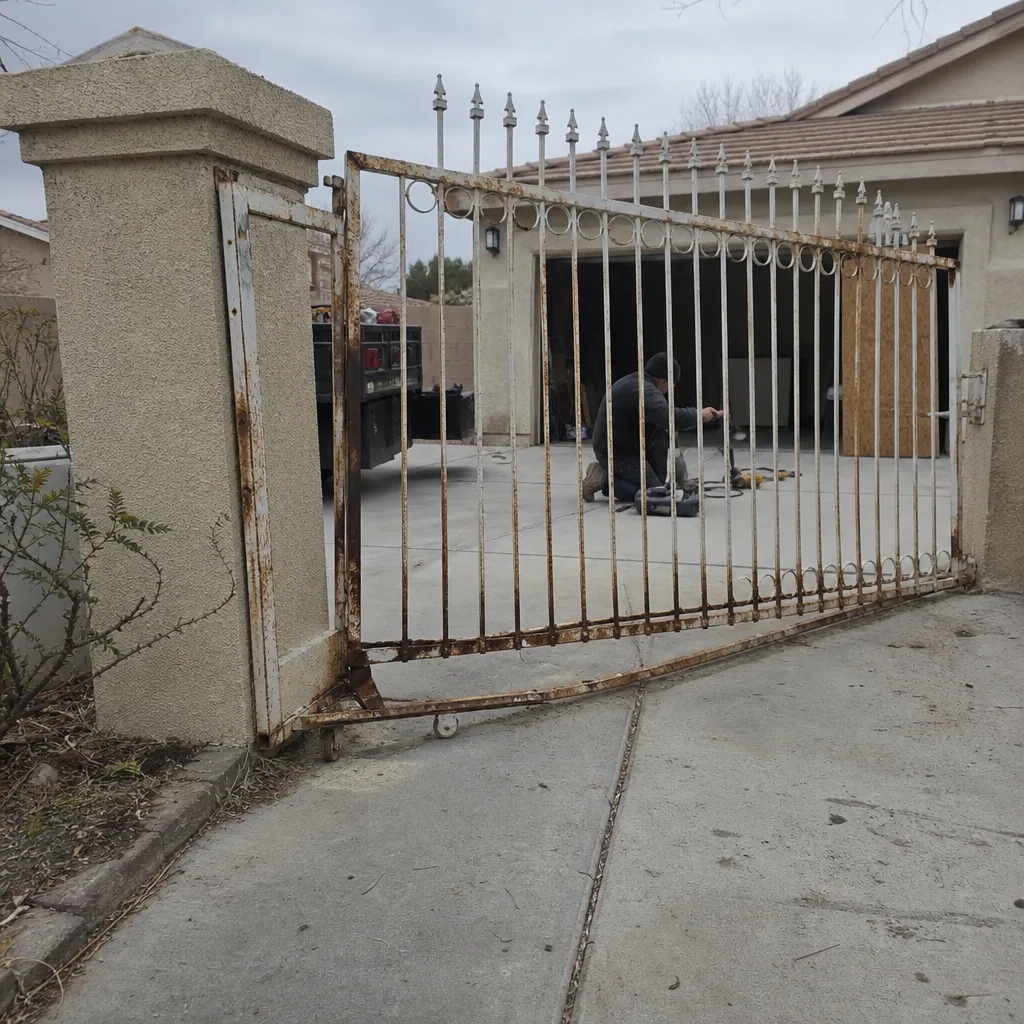 Before
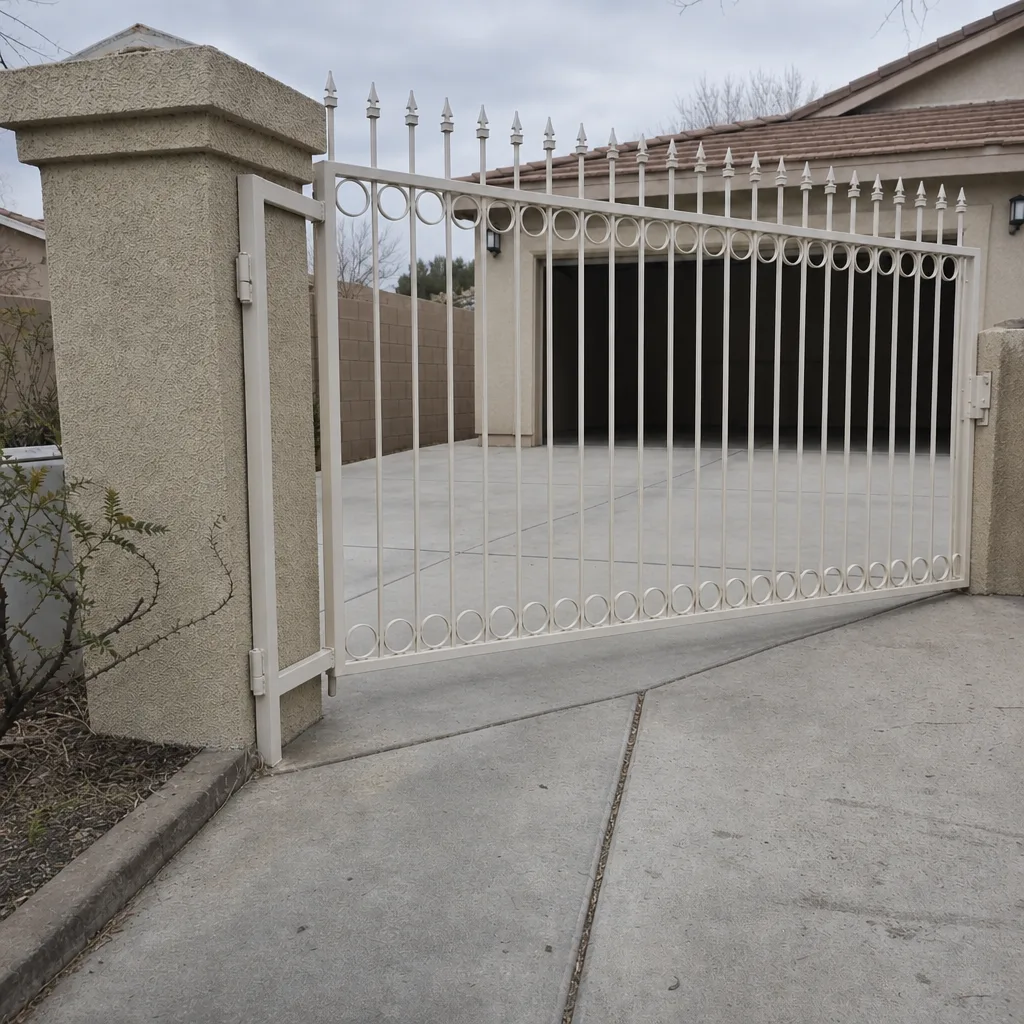 After
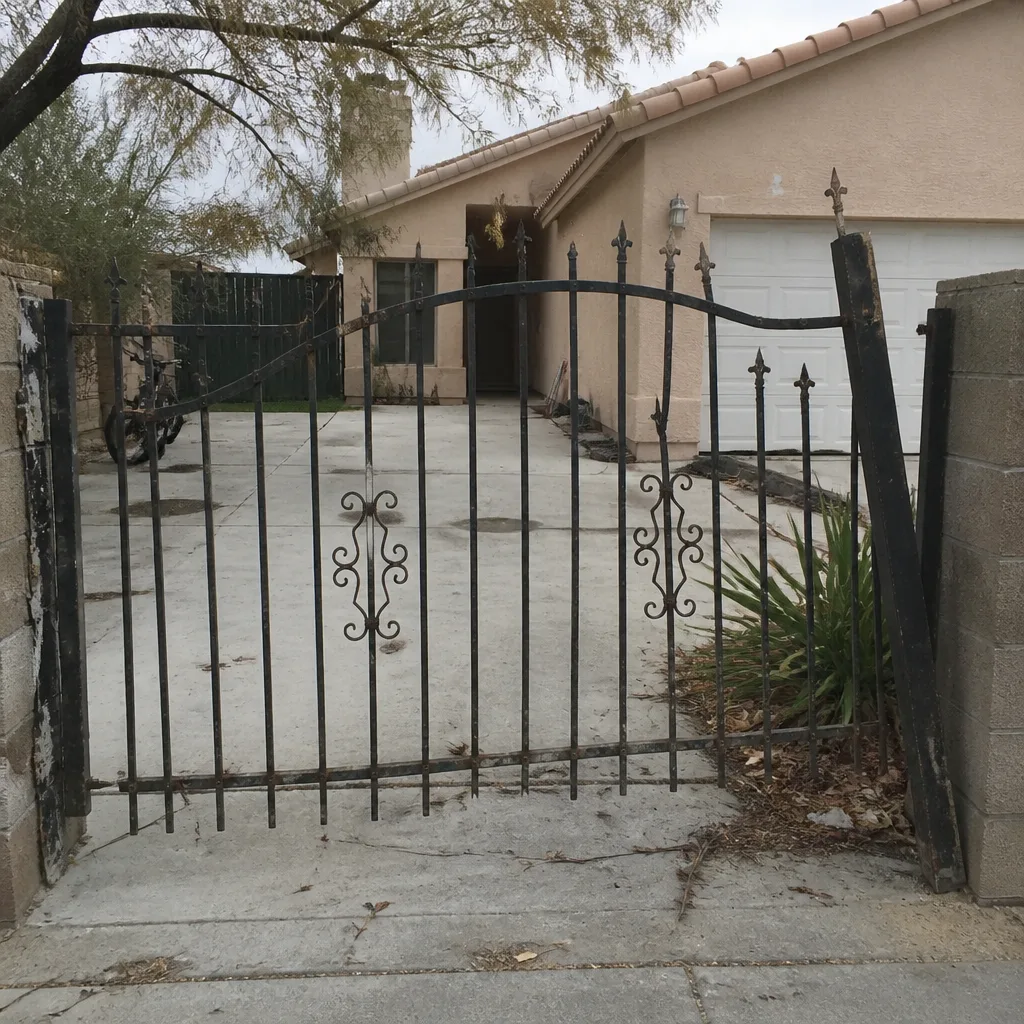 Before
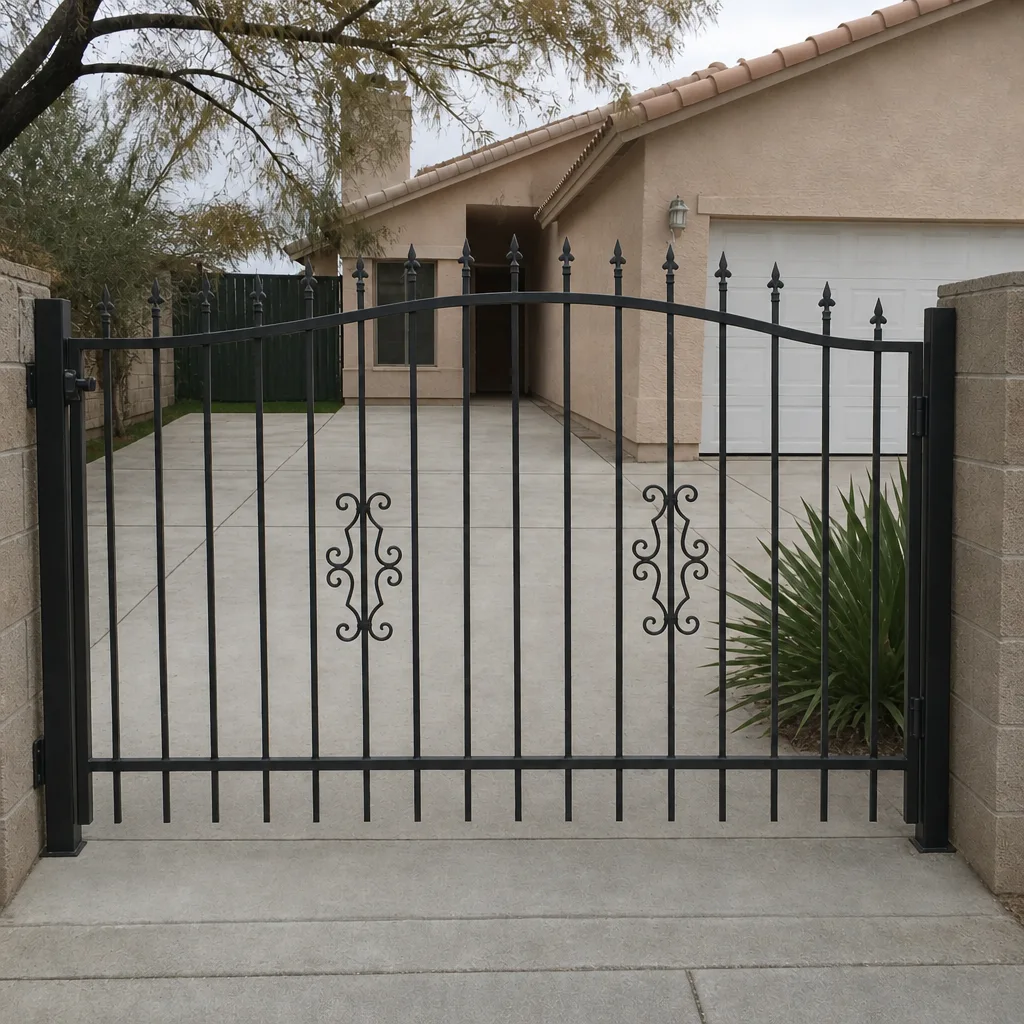 After
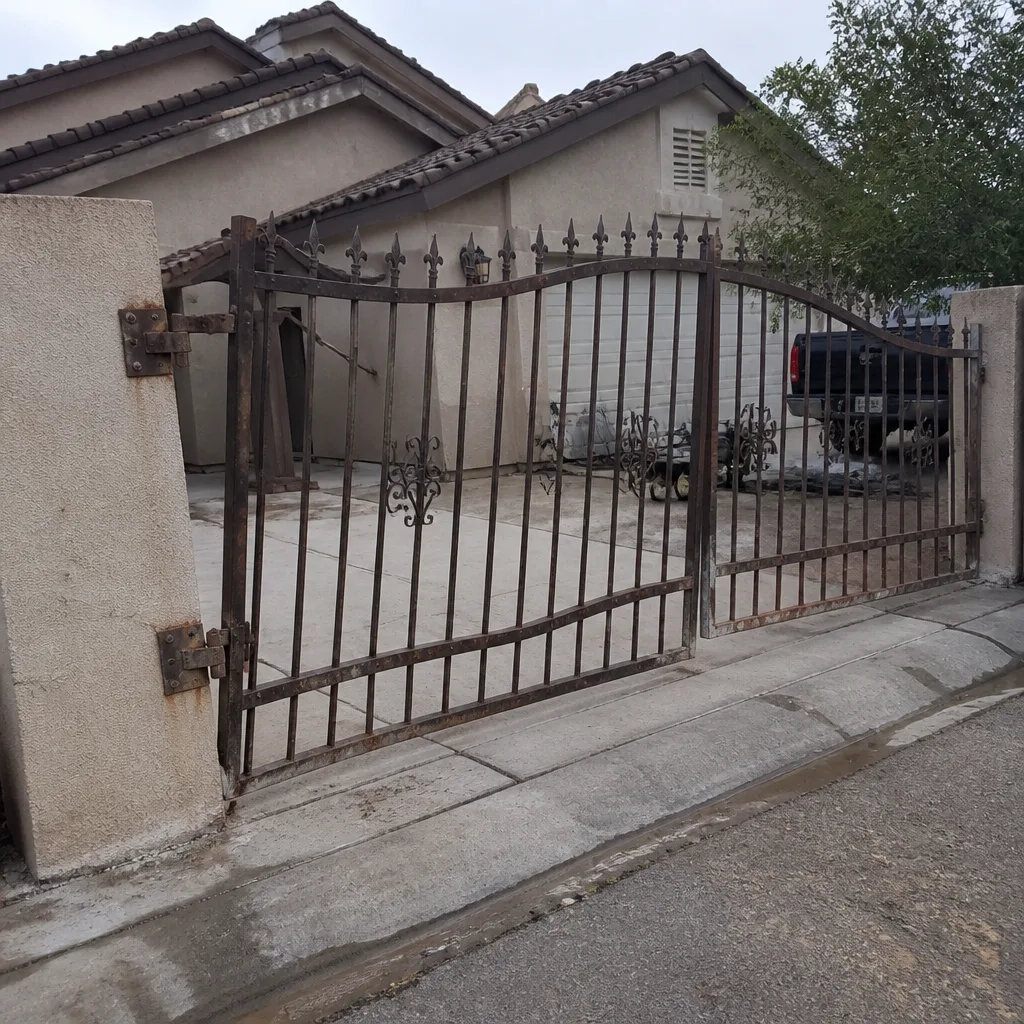 Before
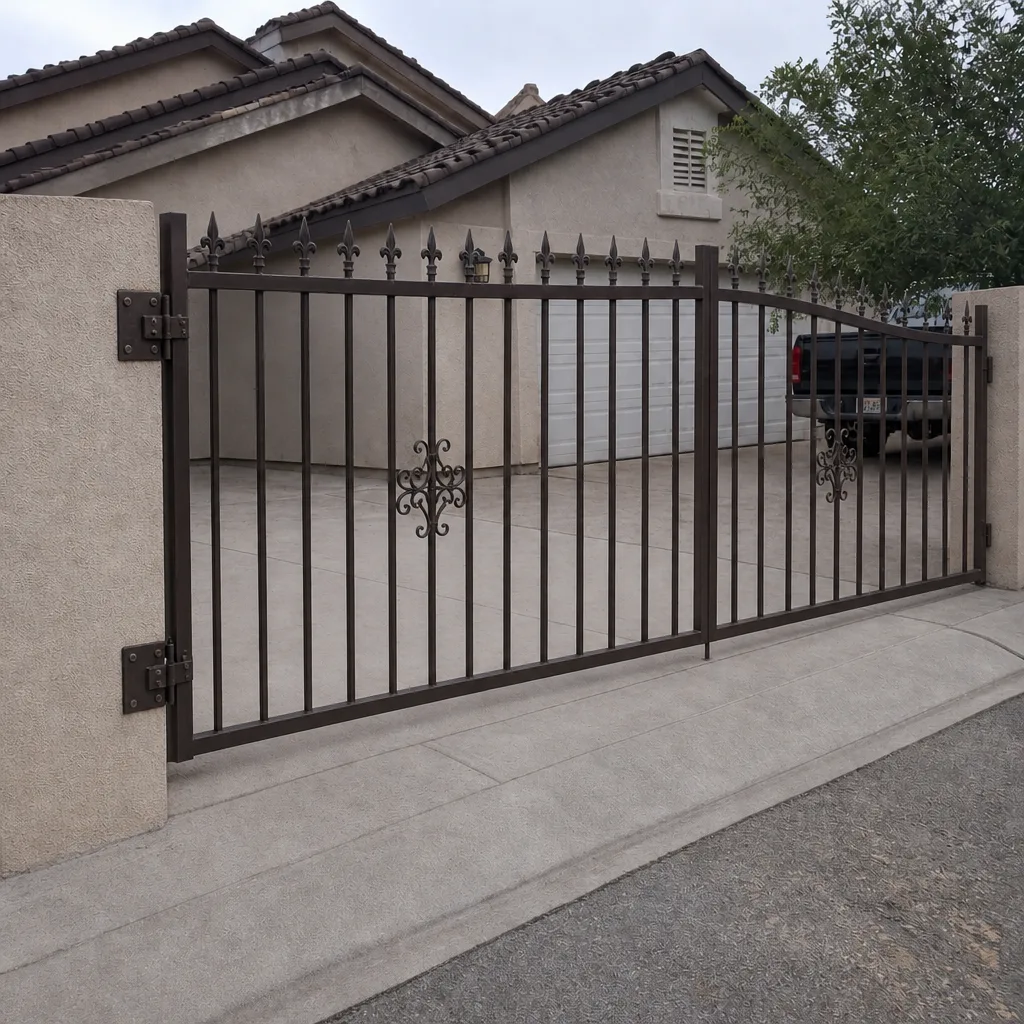 After
Frequently Asked Questions
Every three to four months, not once a year. The heat in Centennial Hills oxidizes lubricant far faster than coastal or Midwest schedules account for, so annual greasing leaves joints running dry for months at a time. Wipe joints clean before applying new lubricant. Call (877) 745-4728 for an exact quote if you’d like us to lubricate and inspect at the same time. Estimates are free.
Yes, and it happens often. A multimeter reading tells you the battery has charge, not that it can deliver the current the operator needs to move the gate. The only reliable test is disconnecting AC power and running a full open-and-close cycle on battery alone. If the gate moves slowly, stalls, or triggers a low-battery warning, the battery is failing. Call (877) 745-4728 for an exact quote on the test and replacement. Estimates are free.
In most cases, a misaligned photo-eye or a failing safety edge is stopping the gate. Heat cycling shifts the photo-eye housings, and dust coats the lens. Ground movement under caliche-heavy driveways can shift the post holding the receiver. Check the lens, confirm the beam isn’t blocked, and press the remote again. If it still stops, call (877) 745-4728. Estimates are free.
They do need different maintenance, because they wear at different points. Swing gates load their hinges, arm bushings, and post anchors during every cycle. Slide gates load their rollers, track, and cantilever hardware. A guide that treats them the same misses critical inspections on both. If you’re not sure which items apply to your gate, call (877) 745-4728 and we’ll walk you through it. Estimates are free.
Clean the track or hinge channel before cycling the gate, then inspect the rollers or bushings for embedded grit. Cycling a dust-loaded track grinds the rollers and shortens their life. A quick brush and a visual check after every major wind event prevents most of the wear we see. If the gate grinds after cleaning, call (877) 745-4728. Estimates are free.
No. Lubrication, track cleaning, keypad wiping, and visual inspections are homeowner tasks. Anything involving the control box, safety edges, battery wiring, or a heavy gate leaf that’s shifted or leaning should go to a technician. The electrical components on a gate carry real risk, and a safety edge that’s been bypassed is a hazard. Call (877) 745-4728 for the items you’re unsure about. Estimates are free.
The Bottom Line
A gate in Centennial Hills needs maintenance compressed around heat, dust, and flash rain, not the annual interval a generic manual suggests. Lubricate every three to four months. Test your backup battery under load, not at rest. Keep swing-arm and slide checklists separate, because their wear points barely overlap. Grade every item red, yellow, or green so you know what to monitor and what to call about today. Follow that and you’ll catch the failures that would otherwise become emergency repairs. Skip it and the desert environment will choose the failure point for you, usually at the least convenient moment.
If you’d rather have a specialist walk the gate with you, we’re here. We work on LiftMaster, FAAC, BFT, Linear, Viking, Ghost Controls, DoorKing, Elite, and Mighty Mule systems, and we repair what you have before we recommend replacing it. If you’re considering a new system entirely, start with Gate Repair Centennial Hills. Call (877) 745-4728. We answer 24/7. Fast dispatch from 7am to 7pm, Sunday through Friday.
Written by the team at Gate Repair Centennial Hills.