
Last updated November 24, 2026
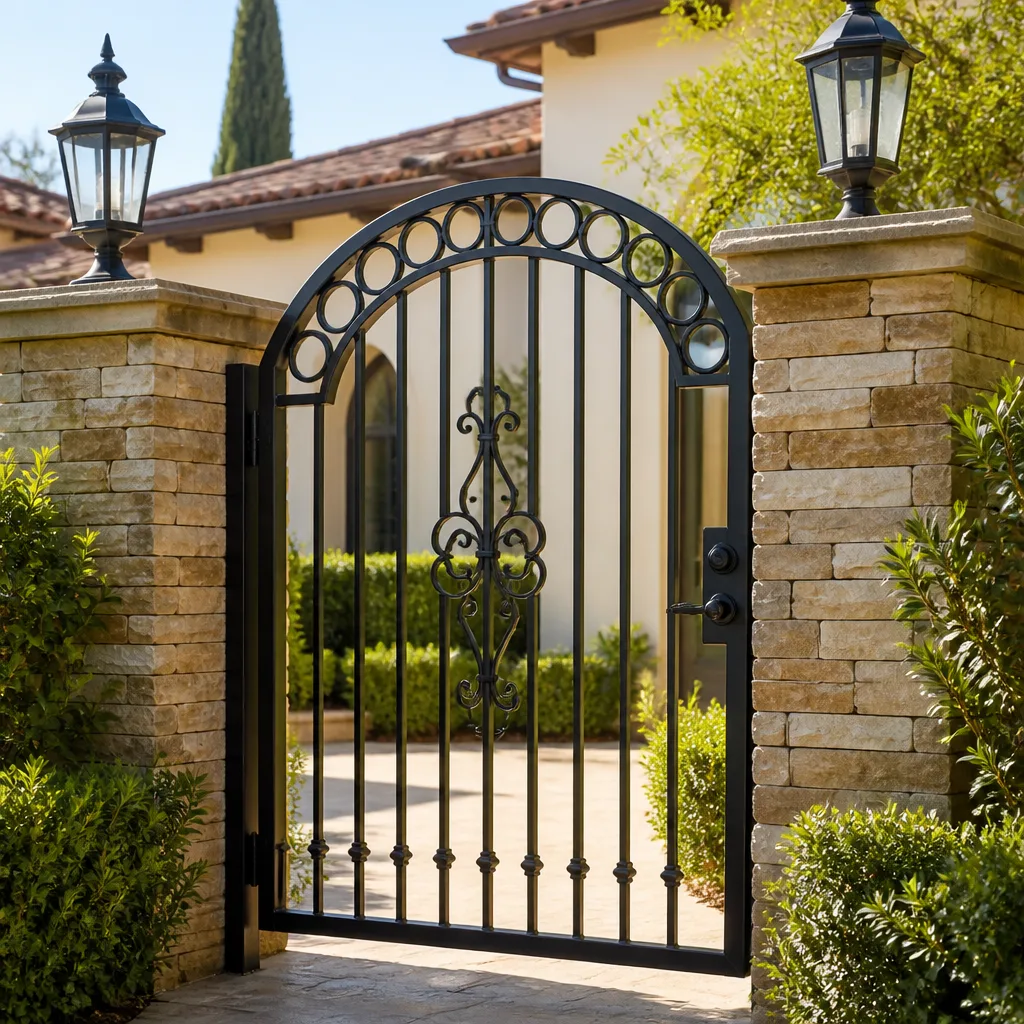 Wrought iron
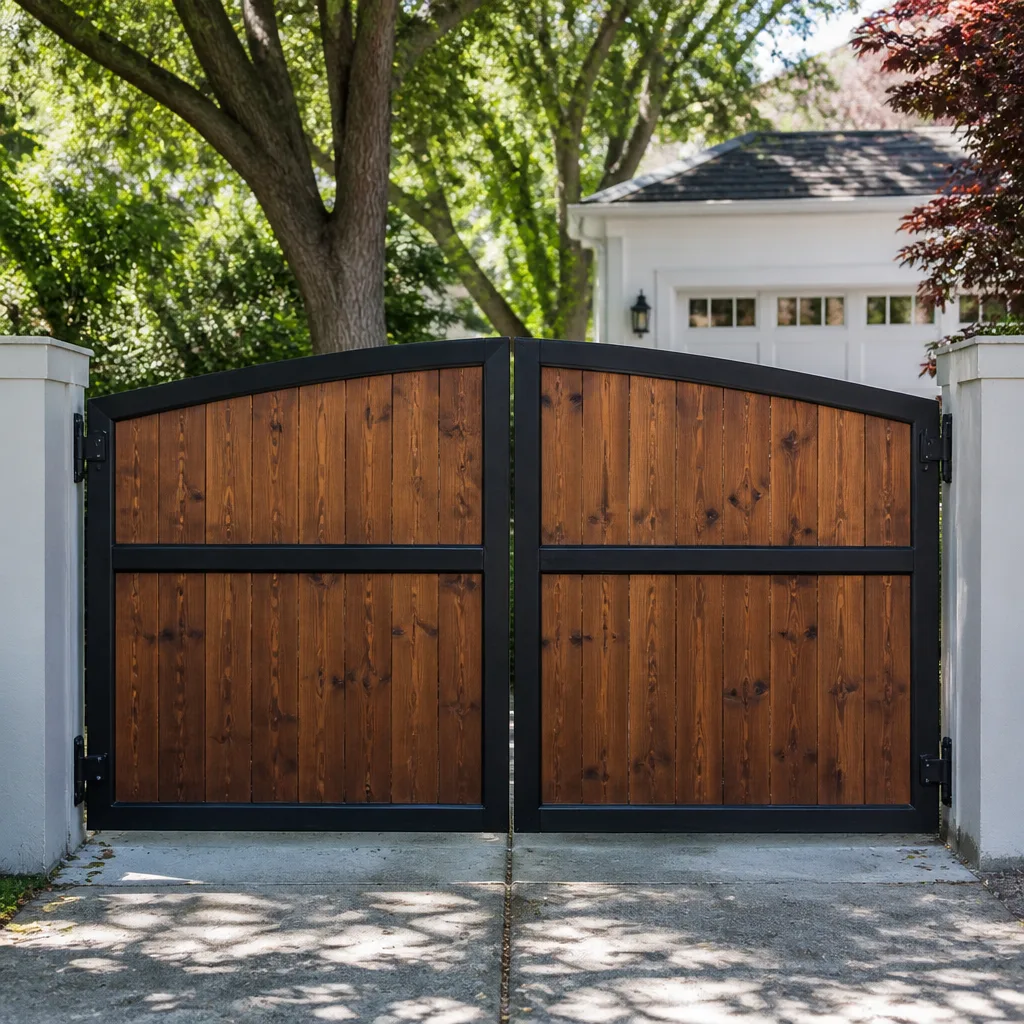 Wood & steel frame
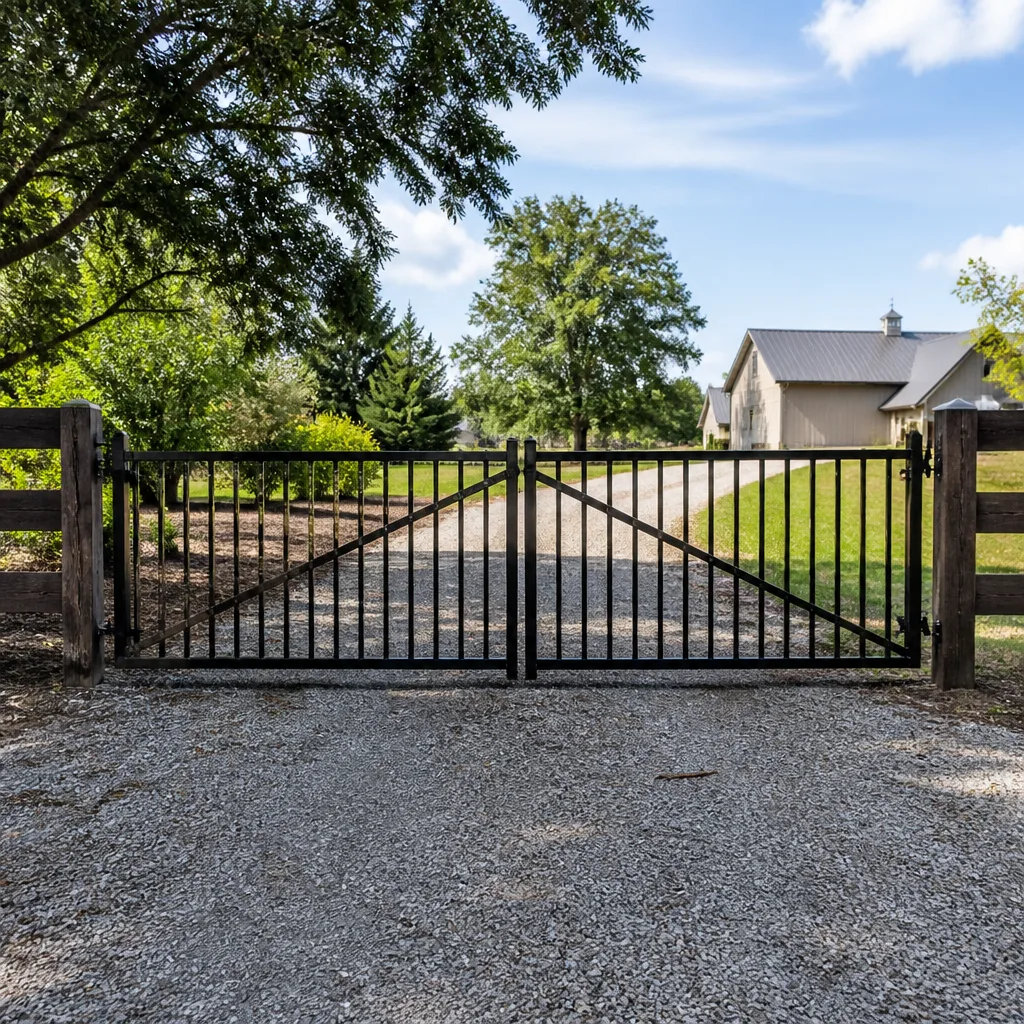 Farm & ranch
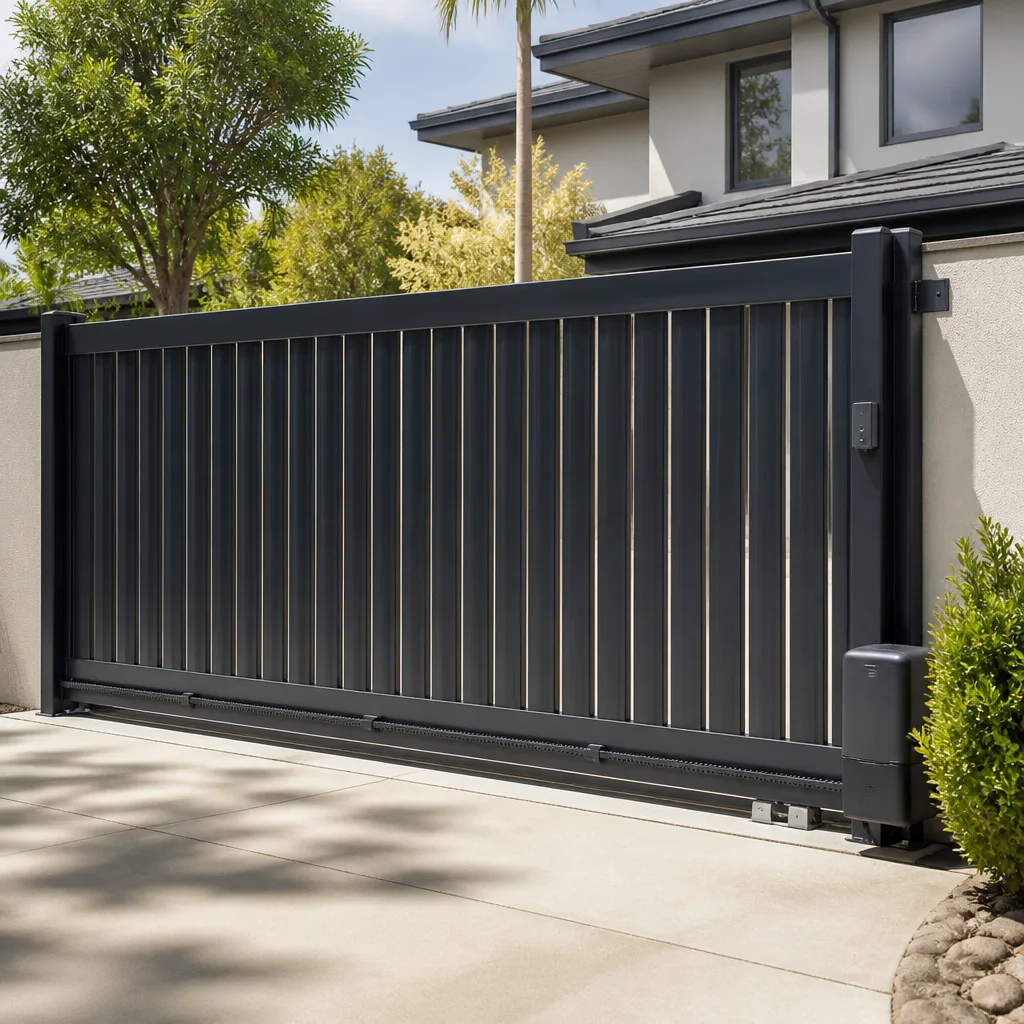 Sliding driveway gates
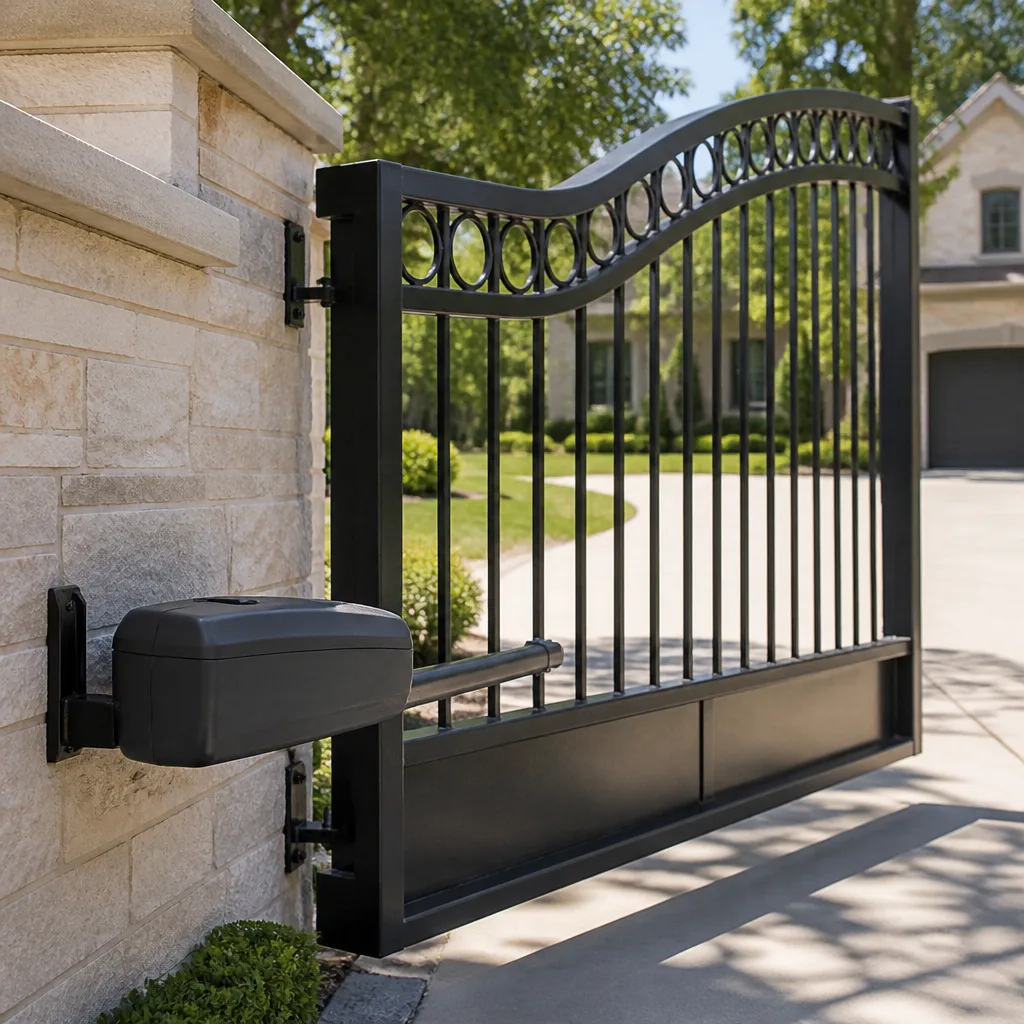 LiftMaster operators
Free on-site gate assessment - hinges, posts, and your LiftMaster or Nice gate operator checked before anything is quoted
The assessment is free and the quote is the invoice.
Get your free estimateGate Repair Permits, Codes & Inspections in Centennial Hills, NV: What You Need to Know
Most homeowners in Centennial Hills assume gate repair sits outside the permit system. The gate is already there, the motor is already wired, so swapping one control board or one arm shouldn’t involve the county. That assumption holds right up until a motor is upsized, a new access keypad is added, or a swing gate gets automated for the first time. Then the work crosses from maintenance into a regulated alteration, and the paper trail starts to matter. Whether you own in a master-planned HOA or on a larger lot near the edge of the valley, this guide covers where Clark County draws the permit line, what your HOA requires on top of that, what an inspection actually checks, and what happens later if the work was never permitted.
Quick Answer
In Clark County, gate repair is generally permit-free when you’re replacing like-for-like parts, but installing a new electric gate, replacing a motor with a different type or adding a new power circuit generally requires a permit through Clark County Building. If your home sits in a Centennial Hills HOA community, you almost always need separate architectural approval before any visible gate hardware changes, whether or not the county is involved. Unpermitted gate automation can complicate insurance claims, HOA compliance and Nevada resale disclosures.
Styles & brands we work with
- Wrought iron
- Wood & steel frame
- Farm & ranch
- Sliding driveway gates
- LiftMaster operators
Table of Contents
- Where the Permit Line Sits in Clark County
- Repair, Alteration or New Installation: The Three Categories
- The Centennial Hills HOA Overlay
- Low-Voltage Wiring: What’s Exempt and What Isn’t
- How the Permit Process Actually Works
- What an Inspection Covers
- What Unpermitted Gate Automation Costs You Later
- Why the Centennial Hills Climate Makes This Different
Where the Permit Line Sits in Clark County
The core rule is simple: changing what the gate physically is, or how it’s powered, tends to trigger a permit. Changing a worn component back to what it was usually doesn’t. Clark County Building regulates construction and alterations under state law and local ordinance, and the practical question for a gate technician is which category the job falls into.
Here’s how we draw the line in our work:
- No permit usually required: replacing a control board, swapping a remote receiver, replacing a roller, hinge or latch, or repairing a broken hinge post in kind.
- Permit usually required: adding an electric operator to a manual gate for the first time, swapping a swing operator for a sliding one, increasing motor size, or running a new dedicated power line to the gate location.
- Permit almost always required: new gate installation where the gate and its supporting structure change, or replacement of gate posts and anchors in a way that alters the load path.
That middle line, altering the automation, is where most Centennial Hills questions come from. Homeowners will call asking whether replacing an aging operator with a newer model from a brand like Viking or Ghost Controls needs a permit. The answer depends on whether the electrical characteristics and mounting change. If the new operator runs on the same circuit and mounts to the same points, many jurisdictions treat it as a repair. If it uses a different voltage, adds a new circuit, or needs new mounting, it lands on the alteration side.
Our advice in every case: confirm with Clark County Building before the work starts. A five-minute call to the building department or a permit technician saves weeks of paperwork later. We’ll always tell you which category a job falls into and whether the change is electrical or structural enough to warrant a permit. If you’re not sure what’s installed at your property, a Gate Repair Centennial Hills visit is where the answer starts.
Repair, Alteration or New Installation: The Three Categories
The words “repair,” “alteration” and “new installation” sound interchangeable but mean different things to the building department and, later, to your insurer and real estate agent. Getting the category right is the whole game.
Repair
A repair restores the gate or its operator to its original working condition without changing its design, capacity or location. Replacing a worn gear in a DoorKing operator, replacing a damaged drive belt, or getting a gate to move smoothly again after a board failure are typical repair examples. These are maintenance activities in the eyes of most jurisdictions and don’t usually trigger a permit.
Alteration
An alteration changes something material: weight, power draw, function or location. Adding a keypad and access control where the gate previously ran only on a remote, upgrading to a higher-capacity operator, changing the direction the gate swings, or adding a new circuit to feed the electronics can all be alterations. If the gate previously had no electric operation and now does, that is an alteration even if the gate itself stays put. This is the category homeowners most often miss because the physical gate looks identical before and after.
New Installation
A new installation means the gate hardware and its supporting structure are being placed for the first time, or the structure itself is being replaced. A freshly built driveway gate, a new entrance for a large lot, or a wholesale replacement of the gate posts and anchors falls here. If you’re replacing the whole gate system and stepping up from manual to automated, plan for a permit and an inspection.
If you’re in the market for a new gate or full automation, the planning conversation starts earlier than the estimate. gate installation estimates here begin with verifying whether the ground and the existing structure can carry the load, and that answer drives the permit conversation. Our gate motor & opener page goes deeper into how selections affect the electrical side.
The Centennial Hills HOA Overlay
Even when Clark County doesn’t require a permit, your HOA likely requires approval before anything changes on the visible parts of a gate. Many Centennial Hills master-planned communities run architectural review committees that treat gate hardware, color and visibility as part of the overall streetscape. The result: a job that is permit-exempt on the county side can still stall for weeks waiting on HOA sign-off.
What typically goes through architectural review:
- Changing gate style, material, color or finish.
- Adding or upgrading visible access control hardware, keypads or intercoms.
- Adding or moving lighting that illuminates the gate at night.
- Any change that alters the gate’s silhouette or its height.
What usually doesn’t need architectural review: a straight mechanical repair, like fixing a hinge, replacing a roller or getting a swing operator working again after a failure.
HOA approval and county permitting can run in parallel, and it’s worth submitting both at the same time. In our experience, a homeowner who gets the HOA approval first and then files the county paperwork saves a week or two. If your gate is the shared entrance to a small community, the approval process is often more bureaucratic because multiple owners have a say. Our gate repair visit starts by asking whether the gate is on private property or shared, because that determines which review process is going to apply.
Low-Voltage Wiring: What’s Exempt and What Isn’t
Access control wiring is where the permitting question gets genuinely tricky. Low-voltage work (doorbell-class wiring, keypad signal and intercom wiring) is generally exempt from the electrical inspection process under the National Electrical Code, and Nevada follows that framework. The limit is voltage and what the wiring connects to.
A practical breakdown:
- Usually exempt: wiring a keypad or intercom into an existing low-voltage circuit that the operator supplies, and swapping one low-voltage board for a compatible replacement.
- Usually needs an electrician and possibly a permit: running new line-voltage circuits to the gate, installing a dedicated transformer and disconnect, or adding a spare circuit for a video intercom with its own power supply.
- Almost always electrical work: the connection to the 120V feed and the outdoor-rated junction at the operator housing.
What this means in practice is that a straightforward keypad swap at a Centennial Hills home might need nothing more than a technician with a multimeter. Adding a fully integrated access control system with video, intercom, keypad and a dedicated power feed is a different job, and it’s reasonable to have a licensed electrician handle the line-voltage side.
We handle the access control electronics and the operator controls, and we’ll tell you clearly when a licensed electrician needs to be involved for the supply side. gate repair calls for access control problems commonly start with confirming which side of that line the issue sits on.
How the Permit Process Actually Works
For residential gate work, the Clark County process is a familiar sequence. It’s not a black box, but it does have a rhythm, and knowing it avoids surprises.
- Confirm the category. Call Clark County Building or check the county’s online permit portal to determine whether your job needs a permit. Ask specifically whether you need an electrical sub-permit for the operator supply.
- Gather the documents. Typical requirements include the scope of work, the model of the gate and operator, the electrical specifications, and a simple site plan showing the gate location.
- Submit the application. Many residential permits can be filed online. If your property is in a Centennial Hills HOA, attach the approved architectural review document where the application asks about community requirements.
- Pay the fee. Residential permits for small accessory work usually carry a modest fee, typically a few hundred dollars depending on scope, though the exact figure is set by the county and changes over time.
- Schedule the inspection. Once the work is complete, the inspection covers the physical installation, the anchoring, the electrical connection and the safety devices.
- Keep the sign-off. Store a copy of the permit and the inspection record with your home documents. You’ll want both if you ever sell.
Timelines vary, but for a small residential job the county review is typically a few weeks from application to approval, and the inspection once scheduled usually happens within days. If you’re in a hurry, plan the HOA approval early; that step can take longer than the county process.
What an Inspection Covers
The inspection isn’t a pass or fail on aesthetics. It’s a safety and code-compliance review, and it’s designed to catch the failures that cause injury or property damage. Expect an inspector to look at:
- Anchoring and structural integrity. Gate posts, gate-to-post attachment, brackets and operator mounting.
- Operator installation. Correct model for gate weight and length, proper clearance, mounting height.
- Electrical connection. The dedicated circuit, outdoor-rated housing and disconnects, and bonding if required.
- Safety devices. Photo-eyes, loop detectors or edge sensors, plus whatever the local standard requires for the gate type.
- Motion and force limits. The gate’s closing force and reaction to obstruction.
- Signage. Depending on the installation, the county may require warning signage on or near the gate.
Two things commonly come up in Centennial Hills inspections: the photo-eye or loop detection didn’t get installed, or the electrical housing wasn’t rated for outdoor use. We handle the safety-device side and the operator side because access control and detection are gate services, not electrician work. The supply-side electrical is where a licensed electrician may need to be scheduled.
What Unpermitted Gate Automation Costs You Later
The risk of skipping the permit doesn’t show up on the day of the job. It shows up years later, in three places.
Insurance
Homeowners’ policies generally cover a gate as part of the property, but if a claim is made after an incident, an adjuster may ask whether the automation was permitted and inspected. An unpermitted, uninspected electrical installation gives an insurer room to dispute coverage or argue a defect. It’s the kind of issue that never surfaces in a routine year and then becomes decisive the one time you need it.
HOA compliance
HOAs in Centennial Hills handle violations through fines, and an unapproved gate change, even one that’s perfectly safe, is still a violation. The fine itself is often less than the cost of reversing the work if the HOA decides the install doesn’t match community standards. We’ve seen this resolved by re-papering rather than re-doing, but the process is slow.
Resale disclosure
Nevada requires sellers to disclose material facts about the property, and unpermitted work is a classic material fact. A buyer’s inspector or lender can flag an unpermitted electrical installation, which stalls a sale while an after-the-fact inspection is arranged. That’s the slow, costly scenario the sale process is designed to avoid.
The easiest fix is to permit the work at the time. That includes access control entry systems, which are frequently the unpermitted piece because they’re low voltage and feel exempt. gate repair visits here are a good moment to check whether existing access control was ever documented.
Why the Centennial Hills Climate Makes This Different
Centennial Hills sits on the higher, drier northwest edge of the Las Vegas Valley, and that geography changes what a gate system goes through. The combination of extreme summer heat and direct sun on gate hardware ages the mechanical and electronic components faster than a milder climate would. Motors run hotter. Control boards work harder. Rubber and plastic seals dry and crack. That rate of wear is one reason so many doors and gates in Centennial Hills get replaced earlier than their rated life, and one reason the “just replace it” temptation is strong.
That wear cycle has a permit consequence. When a motor fails sooner than expected, the homeowner often wants to replace it with something more capable, which nudges the job from repair into alteration. The wise move is to plan for that: if the operator that’s failing is already at the end of its life and you’re going to upgrade, do the permit paperwork with the replacement rather than after. And because Centennial Hills has many hillside lots with long driveways, the gate is often the primary security perimeter for the property, which makes getting it right the first time more urgent than it is on a small suburban lot.
If you’re unsure whether your existing gate and its wiring would pass an inspection today, that’s a good reason to have an experienced technician look. Our technicians have up to 9 years of experience with the brand installed at your property, and a diagnostic visit will tell you what’s compliant and what needs fixing before it becomes a problem.
Common Mistakes to Avoid
- Skipping the HOA architectural review because the county permit wasn’t needed. These are two separate approvals, and the HOA one usually comes first. Assume both are required until proven otherwise.
- Treating a motor upgrade as a repair. A higher-capacity operator, a different voltage or a new circuit is an alteration. If the county inspects, it will be inspected as one.
- Assuming all access control is “low voltage” and therefore exempt. The electronics usually are; the line-voltage supply to the gate is not. Splitting the job between a technician (electronics) and an electrician (supply) is often the fastest route.
- Letting the safety devices slide. Photo-eyes and edge sensors are the parts inspectors notice first, and they’re the parts that make the gate safe.
- Discarding the permit and inspection paperwork. Store it with the other home documents. When you sell, that folder is your evidence the work was done properly.
- Replacing a working gate because one part failed. Brand-agnostic diagnostics come before replacement recommendations. Fixing the existing DoorKing or Elite operator is often the cheaper, compliant answer.
- Waiting until the gate stops working entirely. Summer heat accelerates wear on Centennial Hills gates. A failing operator caught early is a repair; a seized one is a replacement with a permit.
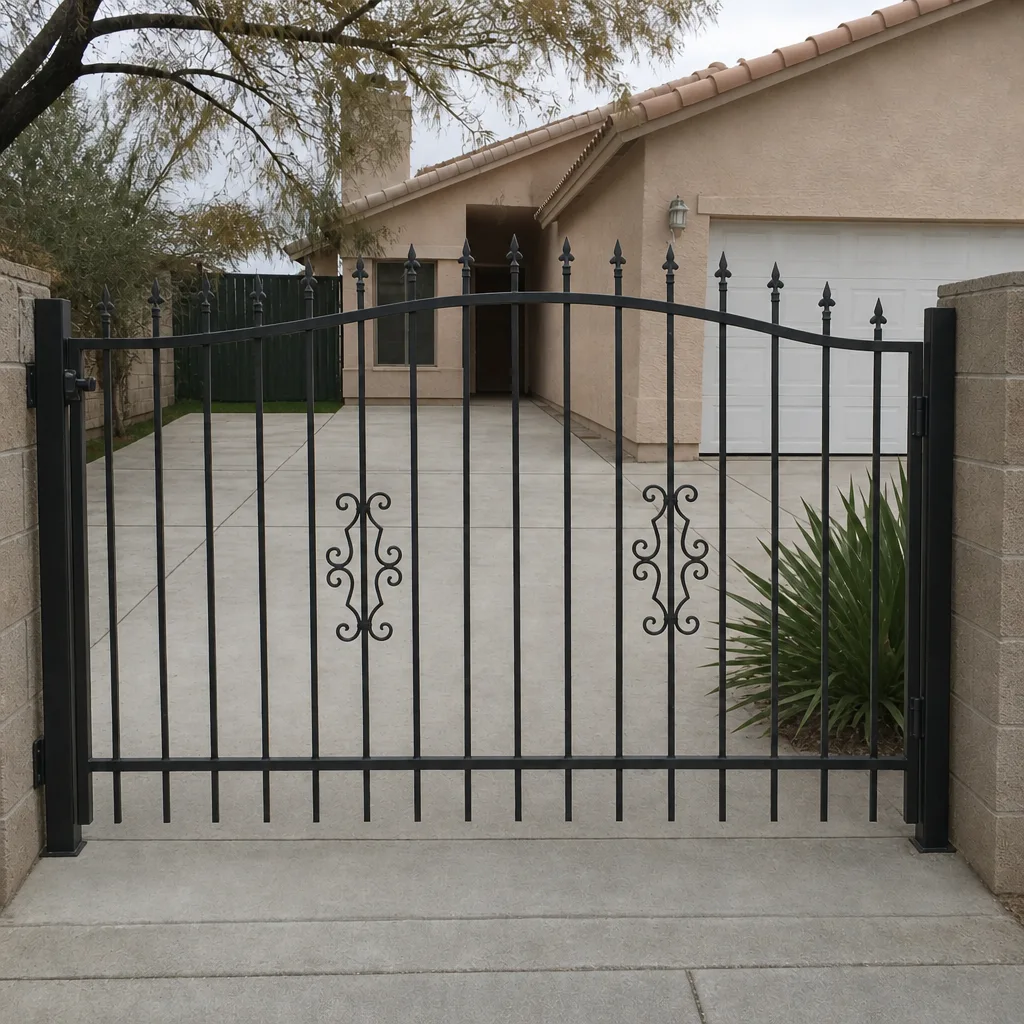
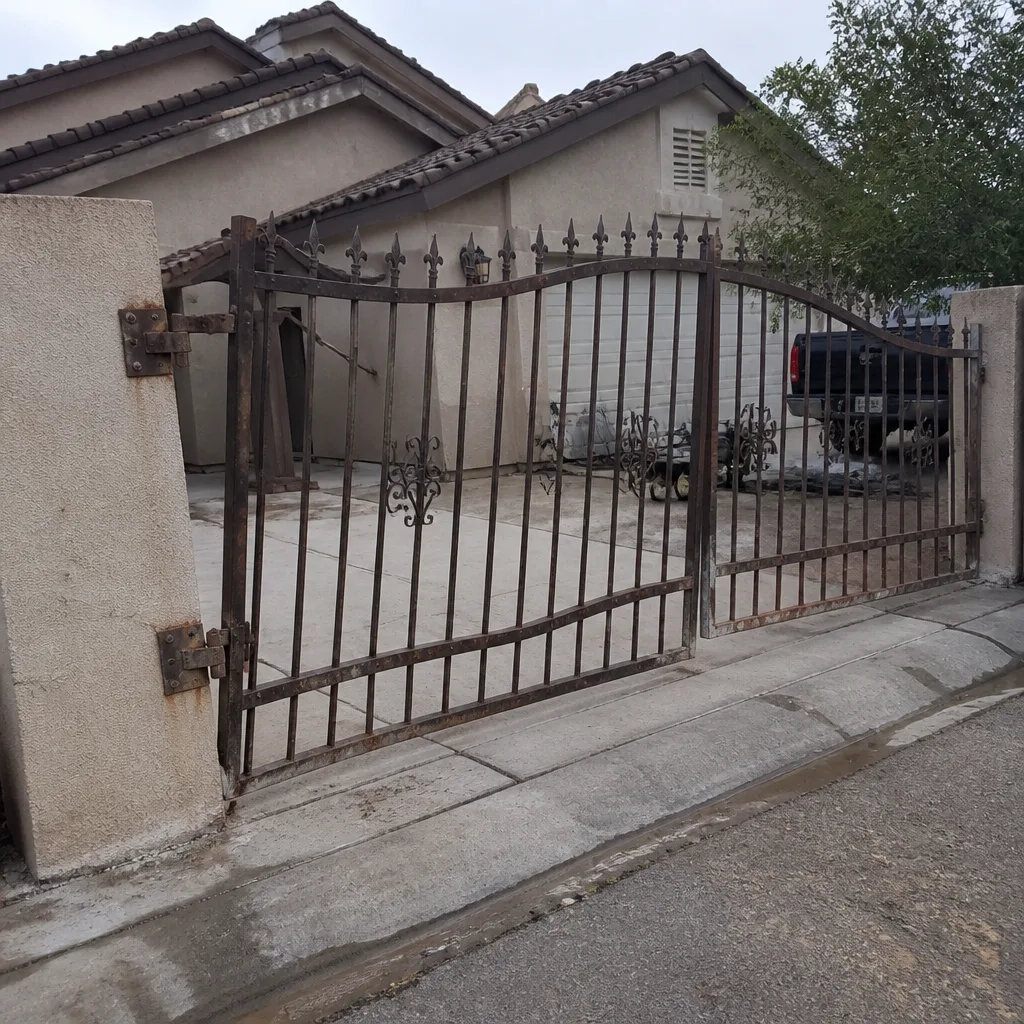
See the difference
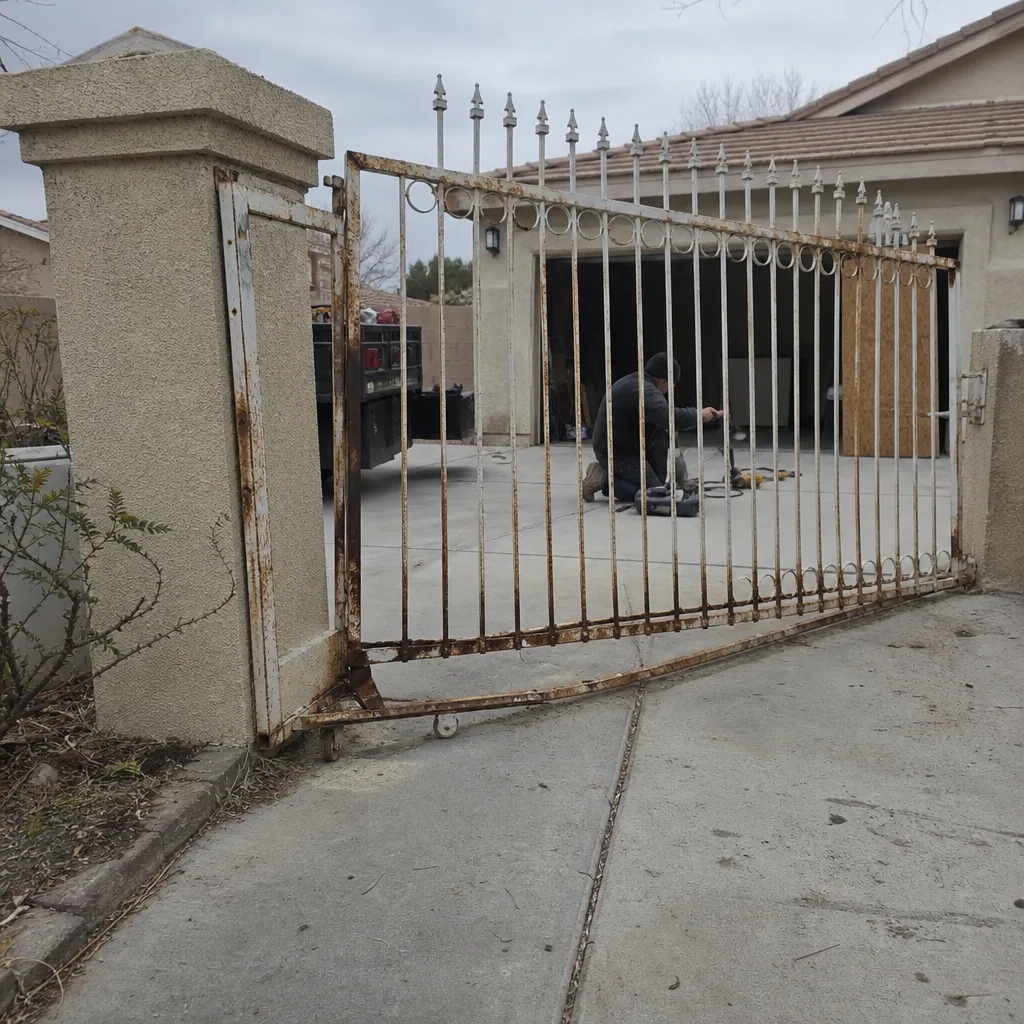 Before
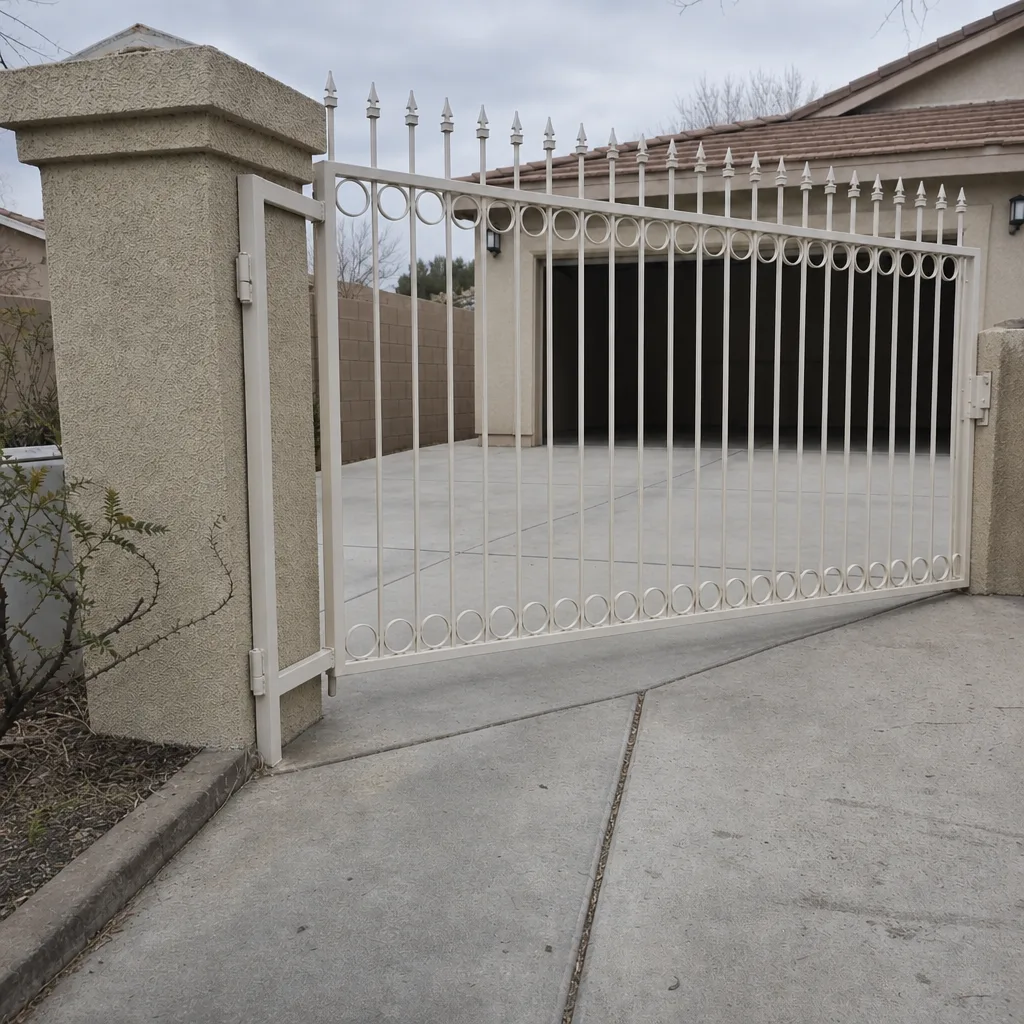 After
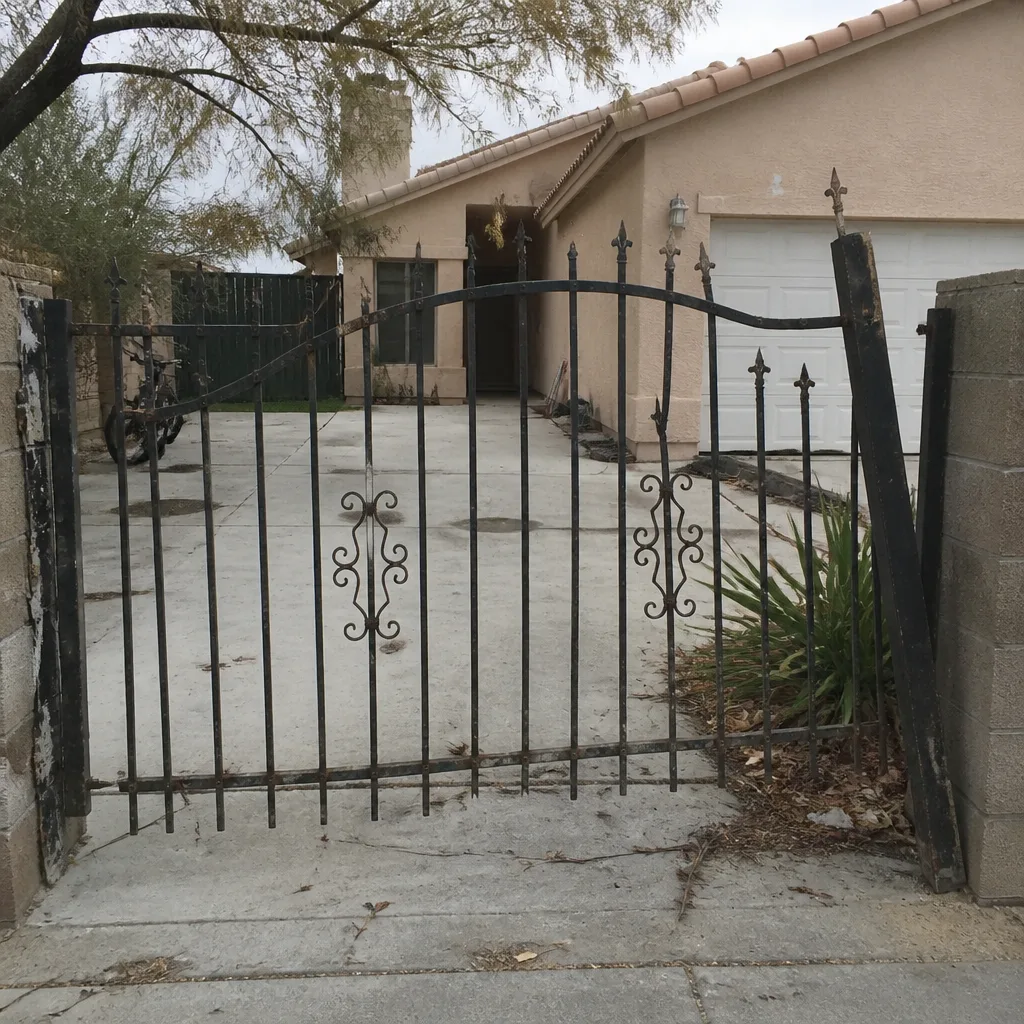 Before
 After
 Before
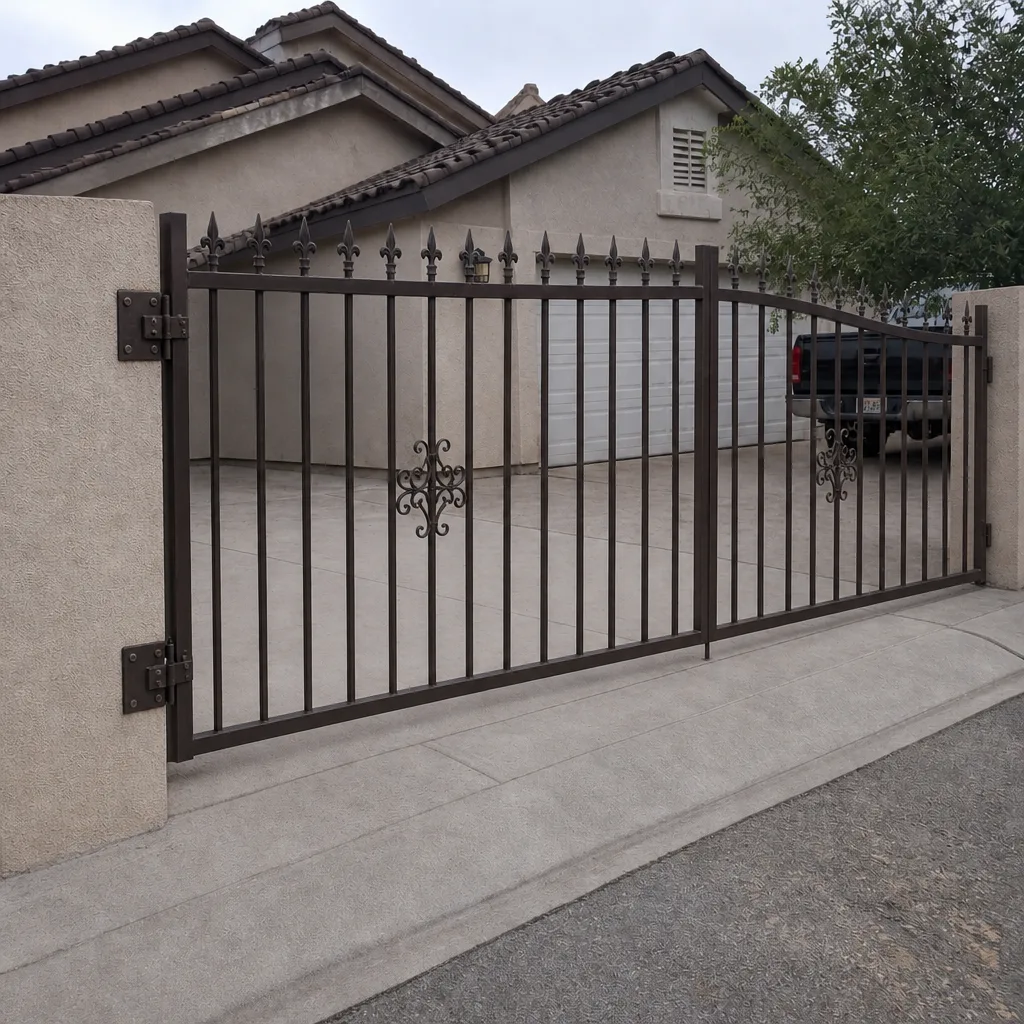 After
When to Call a Professional
Some situations are worth a call the same day. Others are scheduled conversations. Same-day work is generally for genuine failures: the gate has stopped in the open position, the operator won’t respond to the remote, the safety edge has failed, or the keypad has locked out. Call us for those. For planned changes, like a new operator, a full automation, or a fresh access control integration, those are measured, ordered and scheduled. No same-day promise on those, just a proper site assessment and a written estimate. Gate Repair Centennial Hills offers free estimates in Centennial Hills – call (877) 745-4728. We answer 24/7. Fast dispatch from 7am to 7pm, Sunday through Friday.
Frequently Asked Questions
Usually not, if the repair is replacing like-for-like parts on an existing gate. Fixing a hinge, replacing a control board, or repairing a worn drive component on a Viking or Ghost Controls operator generally doesn’t require a county permit. Installing a new automation, upgrading the motor type or running a new power circuit generally does. Call (877) 745-4728 for an exact quote – estimates are free.
Yes, generally. A new electric gate is a new installation under most interpretations, and it typically requires a permit through Clark County Building and an inspection after the work is complete. In an HOA community, you also need architectural review approval, and that approval should be in hand before the work starts. Call (877) 745-4728 for an exact quote – estimates are free.
For visible changes, almost always yes. HOA architectural review usually covers new hardware, color changes, new lighting and any upgrade that changes the gate’s appearance. Straight mechanical repairs are typically exempt. If you’re unsure, ask your HOA’s community manager before scheduling the work. Call (877) 745-4728 if you want an experienced opinion on what counts as a visible change.
Residential permits for small gate and electrical work typically run a few hundred dollars depending on scope, but the exact figure is set by the county and changes over time. Your best source is Clark County Building’s permit portal or a call to their permit technicians. The estimate we provide is separate from the county fee and is set by the written quote. Call (877) 745-4728 for an exact quote – estimates are free.
It can be. Nevada requires sellers to disclose material facts about the property, and unpermitted electrical or structural work is typically material. A buyer’s inspector or lender can flag the installation, which may stall the sale while an after-the-fact inspection or permit is arranged. Getting the permit at the time of installation is the clean answer. Call (877) 745-4728 to review what’s installed at your property.
We handle the mechanical and electronic side: gate repair, motor and opener replacement, operator programming, and access control like keypads and intercoms. Anything involving the line-voltage supply to the gate is typically handled by a licensed electrician, and we’ll tell you clearly when that’s needed. The permit application itself is usually something you or your contractor submits, and we can outline what the application needs. Call (877) 745-4728 for an exact quote – estimates are free.
The Bottom Line
Gate repair usually doesn’t require a permit in Clark County. Changing what your gate is, or how it’s powered, usually does. Every job we talk through lands in one of three categories: repair, alteration or new installation, and getting that category right is the whole permit question. On top of the county rules, Centennial Hills HOA communities run their own architectural review, which means even a permit-exempt job can need approval before it starts. And unpermitted work tends to reappear later, at insurance time, at HOA time, and when you sell. Get it documented at the time, and the gate is just a gate.
For free estimates across gate repair, installation, and access control in Centennial Hills, call (877) 745-4728. We answer 24/7. Fast dispatch from 7am to 7pm, Sunday through Friday.
Written by the team at Gate Repair Centennial Hills.